
 EN
EN ES
ES ZH
ZH AR
AR FR
FR HE
HEVisual inspection of readily accessible portions of the fireplace or appliance connection, chimney, and exterior from accessible areas. Roof access and internal camera scanning are not included.
Request this inspectionBlue Steel LLC
Chimney Inspection — Level 1 & Level 2
The right inspection level depends on how the chimney is used, what has changed, and what concern needs to be evaluated. Level 1 covers readily accessible visual areas. Level 2 is more extensive and is appropriate when rooftop access, concealed-area review, or internal flue scanning is indicated.
Request an Estimate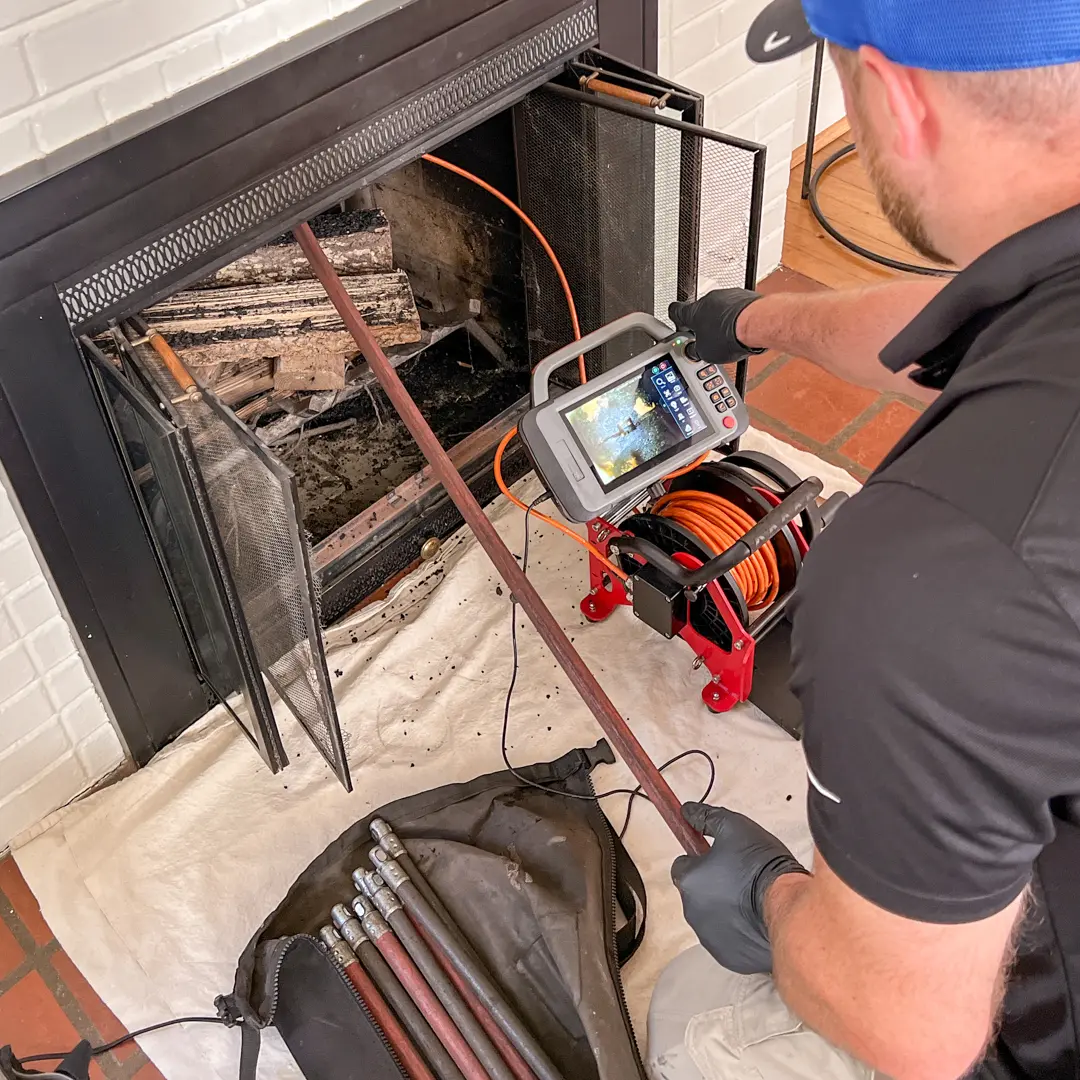
Inspection options
Choose the level that fits the situation.
An expanded inspection that includes accessible attic, crawlspace, and rooftop areas, plus video scanning of the flue interior when the system and safe access permit.
Request this inspectionInspection fees cover the stated inspection level. Cleaning, repairs, special access equipment, and additional flues are quoted separately when applicable.
Representative service imagery. Recommended work depends on inspection findings, access, system design, and the condition of the property.
Professional overview
What chimney inspection service means—and when it matters.
What it is
A chimney inspection is a documented evaluation of the accessible fireplace or appliance connection, venting system, flue, and exterior. Level 1 is a visual review of readily accessible areas for a system in normal continued use. Level 2 is more extensive and can include additional accessible spaces, rooftop review when safe, and internal video scanning.
Why it matters
Many important conditions are not obvious from the room. Inspection can identify deposits, obstruction, missing or damaged components, water entry, liner concerns, or reasons a system should not be used until repaired. It also creates a clearer record before cleaning, repairs, a property transfer, or an appliance change.
When to schedule
Schedule an annual inspection. A Level 2 inspection may be appropriate after a property transfer, change in fuel or appliance, relining, chimney fire, damaging weather event, malfunction, or when Level 1 findings require a closer evaluation.
Why not to ignore it
Possible consequences of leaving the condition unresolved.
- Using a system with an unknown obstruction or deposit level
- Missing liner, masonry, or water-entry problems before they worsen
- Changing an appliance or fuel without confirming vent compatibility
- Assuming a chimney is safe solely because it looks clean from the room
Common signs
When to request an assessment.
- An annual chimney safety check is due
- A home is being purchased or sold
- The fuel type, appliance, or venting system has changed
- A chimney fire, malfunction, or weather event may have occurred
- Cracks, water entry, odor, debris, or performance concerns are present
Our process
What the service can include.
- 01Confirm the appliance, chimney, inspection reason, and requested level
- 02Examine the areas included in the selected inspection level
- 03Capture representative photographs and Level 2 video-scan findings when applicable
- 04Explain observed conditions and provide recommended next steps
Service questions
Chimney Inspection: what to know.
Is Level 2 simply a Level 1 inspection performed from the roof?+
No. Safe rooftop access is an important part of the expanded service when available, but Level 2 also examines additional accessible areas and includes internal flue scanning when applicable. The exact completed scope is documented.
When is a Level 2 inspection recommended?+
It can be appropriate after a property transfer, a change in fuel or appliance, relining, a chimney fire or malfunction, significant weather damage, or when a Level 1 inspection indicates that a more detailed evaluation is needed.
Does the inspection price include cleaning or repairs?+
No. The inspection fee covers the stated inspection level. Any cleaning, masonry, crown, liner, access, or repair recommendation is explained and priced separately before work is approved.
What happens if the roof cannot be accessed safely?+
Weather, pitch, height, roofing condition, and other hazards can limit rooftop access. We document the limitation and explain whether another visit, additional access equipment, or a different qualified provider is needed.
Ready to start?