
 EN
EN ES
ES ZH
ZH AR
AR FR
FR HE
HEMortar repointing
Removal and replacement of deteriorated mortar joints while retaining brick that remains serviceable.
Blue Steel LLC
Cracked crowns, deteriorated mortar, loose or spalled brick, and water entry can worsen when they are left exposed. We inspect the visible condition, identify whether localized repair or reconstruction is appropriate, and explain the proposed masonry work before it begins.
Request an Estimate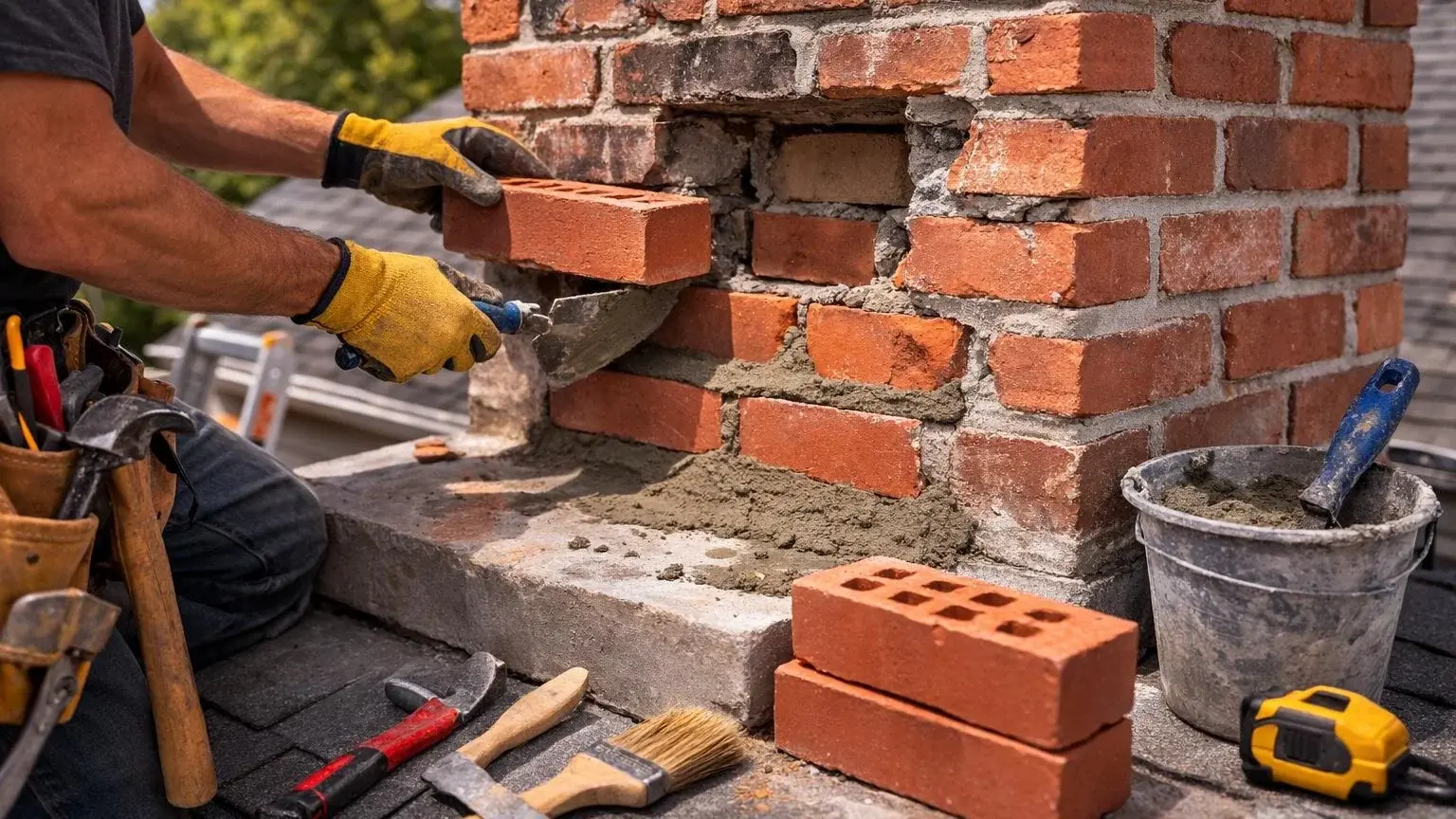
Representative service imagery. Recommended work depends on inspection findings, access, system design, and the condition of the property.
Professional overview
Chimney masonry service can range from replacing deteriorated mortar to rebuilding damaged brick courses or forming a new crown. The correct repair depends on how much sound material remains, whether the chimney is moving, how water is entering, and whether the flue and appliance remain compatible.
Brick, mortar, crown, flashing, and liner work together to keep weather out and combustion products contained. Small cracks can admit water; repeated wetting and freeze-thaw cycles can enlarge damage, loosen masonry, and turn a localized repair into a larger reconstruction.
Request evaluation when brick faces are flaking, mortar is missing, the crown is cracked, water stains appear, flashing leaks, the chimney leans, or pieces of masonry are loose. Active movement or falling material requires prompt restriction of the area and professional evaluation.
Why not to ignore it
Common signs
Our process
Service questions
Repointing replaces deteriorated mortar while retaining serviceable brick. Reconstruction removes and rebuilds an unstable or extensively damaged section when the existing brickwork cannot be preserved reliably.
The crown is the sloped masonry surface at the top of the chimney. Its job is to shed water away from the flue and masonry. Cracks, poor slope, and inadequate overhang can contribute to water entry and freeze-thaw damage.
No. The answer depends on brick condition, mortar loss, movement, water damage, height, access, and how much of the structure remains sound. We explain the observed condition before recommending the repair level.
They can be, depending on the location, height, structural condition, requested work, and local requirements. Work scope, permits, materials, access, and any qualified-trade requirements are confirmed before a reconstruction contract is finalized.
Ready to start?