
 EN
EN ES
ES ZH
ZH AR
AR FR
FR HE
HESource identification and removal
Inspection of likely materials and areas so treatment is directed at the cause rather than the air alone.
Blue Steel LLC
Odor treatment starts with identifying and addressing the source. After affected materials and surfaces are evaluated, we can discuss cleaning, deodorizing products, and controlled fogging where appropriate.
Request an Estimate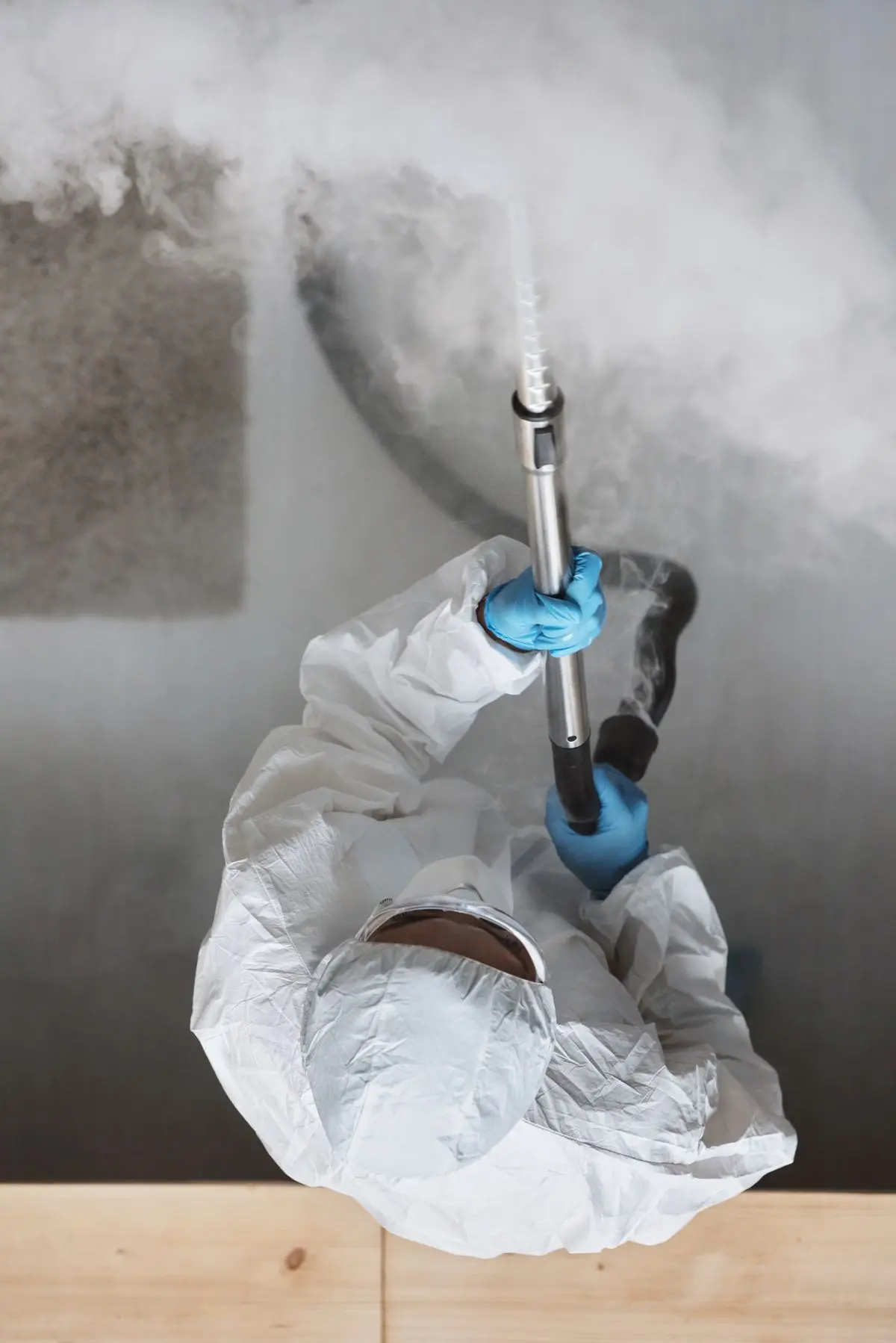
Professional overview
Odor treatment is a source-first process for smoke, tobacco, pet urine, moisture, cooking, wildlife, or other persistent smells. The plan may involve locating and removing contaminated material, cleaning residues, drying, treating suitable surfaces, sealing certain materials, improving ventilation, or referring specialized work.
Odor molecules can remain in carpet, padding, subfloor, drywall, insulation, HVAC components, and other porous materials. Spraying fragrance or fogging without removing the source may only mask the problem and can make diagnosis harder.
Request an assessment when odor persists after ordinary cleaning, returns when HVAC operates, follows a water or wildlife event, or is linked to smoke or pet contamination. Urgent fuel-gas, sewage, electrical-burning, or carbon-monoxide concerns require the appropriate emergency or licensed service—not deodorizing.
Why not to ignore it
Common signs
Our process
Service questions
No treatment should be presented as a universal guarantee. Results depend on the source, affected materials, contamination depth, moisture, and whether porous materials need to be removed.
These are among the conditions we can assess. We first identify the likely source and then explain whether cleaning, material removal, deodorizing, or controlled fogging is appropriate.
Ready to start?